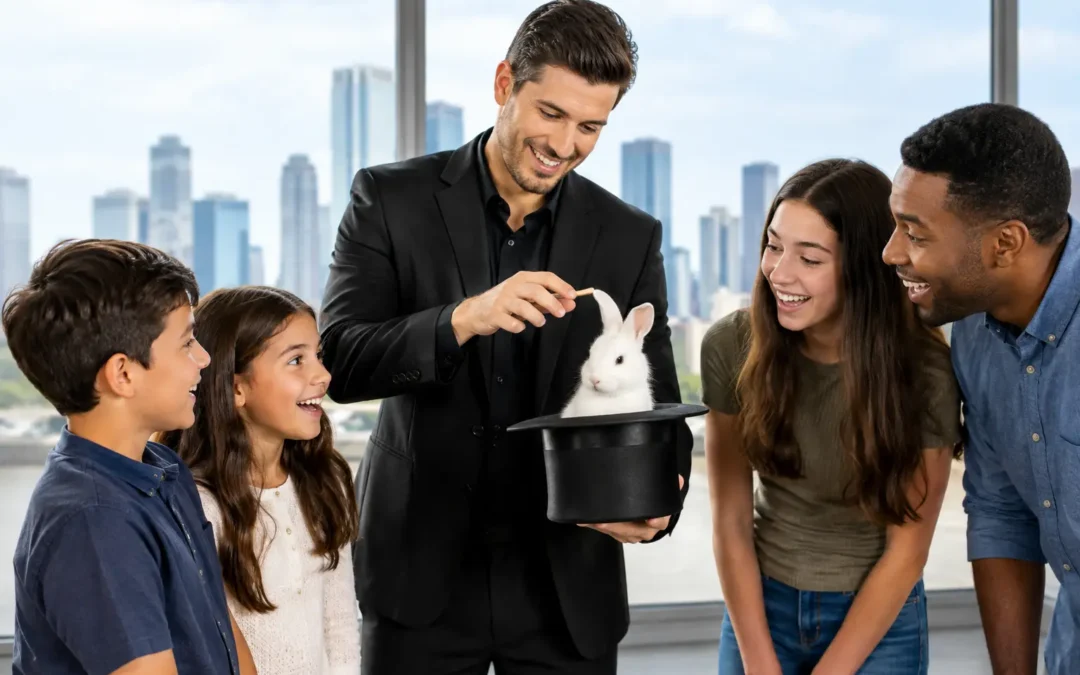
A child makes a coin disappear at the kitchen table, then waits for the reaction. That little pause – the smile, the gasp, the proud look – is where Houston magic courses become much more than an after-school activity. Magic gives students something rare: a fun reason to practice, perform, communicate, and believe they can hold a room’s attention.
For families looking beyond another screen-based hobby or one more sports season, a magic class can create a skill that stays with a child for years. Teens can find a creative outlet with real social confidence behind it. Adults can finally learn the mysteries they have enjoyed watching since childhood. The best classes make room for all of that, while keeping the experience exciting from the very first trick.
What Students Really Learn in Houston Magic Courses
A good magic course is not just a bag of secrets. Students do learn surprising tricks with cards, coins, ropes, everyday objects, and sometimes larger props. But the real lesson is learning how to turn a trick into a moment people remember.
That means practicing the small details: where to look, when to pause, how to speak clearly, and how to guide an audience toward the impossible without giving away the method. A student who begins by nervously showing one card trick may soon be telling a story, making eye contact, and inviting a volunteer to join the fun.
Magic also rewards patience in a way few hobbies do. A move that looks effortless onstage may take repeated practice at home. Children learn that preparation creates confidence. Adults often rediscover the simple satisfaction of getting better at something with their own hands.
For younger students, the benefits can be especially visible. They build fine motor skills while handling props, strengthen memory by learning routines, and gain the courage to speak in front of others. For teens, magic offers an unusual advantage: it is social without requiring them to be the loudest person in the room. Their performance gives them a natural reason to connect.
Choosing the Right Houston Magic Course
Not every class is designed for the same student. Before choosing, think about the performer your child, teen, or adult learner wants to become. Some people are drawn to close-up magic they can perform at a birthday party or restaurant table. Others light up at the thought of stepping in front of an audience with comedy, music, and bigger visual moments.
Age range matters, too. Younger children usually benefit from shorter lessons, visual tricks, and lots of instructor guidance. They need a class where the fun starts quickly and where the material matches their attention span and hand coordination. Older students can take on more challenging sleight of hand, stronger presentation skills, and longer routines.
The instructor makes a major difference. Look for someone who performs for real audiences, not just someone who knows a few tricks. Professional performers understand the difference between teaching a secret and teaching a show. They can help students recover when a trick goes sideways, speak up when a volunteer is shy, and make an audience laugh without making anyone the joke.
Class size is another practical question. A larger group can feel energetic and social, while a smaller class gives each student more hands-on coaching. There is no single right answer. A bold child may love the buzz of a group, while a quieter student may grow faster with more personal feedback.
Ask What Happens After the Trick Is Taught
The strongest courses include practice time and performance opportunities. Learning a trick once is exciting. Performing it for classmates, family members, or a friendly audience is where students begin to own it.
Ask whether students receive props to keep, written reminders for home practice, and guidance on putting tricks together into a short routine. Those details help prevent the familiar fate of a magic kit that disappears into a closet after one weekend.
It is also worth asking how instructors handle secrets. Magic is built on surprise, and a thoughtful class teaches students to respect the art. The goal is never to spoil the mystery for friends. The goal is to create wonder for them.
Why Performing Changes the Experience
There is a big difference between knowing how a trick works and knowing how to perform it. A student may master a simple vanish in private, then discover that the real magic begins when someone is watching.
Performance teaches quick thinking. Maybe the volunteer answers differently than expected. Maybe a card falls to the floor. Maybe a younger sibling suddenly wants to help. Rather than panic, students learn to smile, adapt, and keep the moment moving. Those are useful life skills, whether they later give a school presentation, interview for a job, or raise a toast at a family celebration.
A supportive performance environment is crucial. Nobody should feel pushed into a spotlight before they are ready. The best instructors invite participation gradually, celebrate effort, and show students that even experienced magicians make adjustments. Confidence is not pretending to be perfect. It is knowing you can handle the unexpected.
At Magic Show Theater, the spirit of live magic is built around exactly that shared reaction: families laughing together, audience members becoming part of the show, and impossible moments happening close enough to feel real. For students, seeing professional magic in an intimate theater can be a powerful reminder of what practice and personality can create.
Magic Is a Great Fit for Birthdays and Family Life
For parents planning a birthday, magic lessons can add something personal to the celebration. Instead of simply watching entertainment, a birthday child can learn a trick to amaze guests or perform a short routine for the family. It is a party memory that does not disappear when the cake is gone.
Magic also travels well. A student can bring a few practiced tricks to grandparents’ house, a school gathering, a restaurant, or a family vacation. Unlike hobbies that need a field, a team, or expensive equipment, close-up magic can fit into a small case or even a pocket.
That does not mean magic is effortless. The trade-off is practice. Students who expect instant perfection may get frustrated, especially with card handling or moves that demand coordination. Parents can help by treating practice as play rather than homework. Ask to see one trick at dinner. Let the child perform the same routine more than once. Applaud the presentation, not only whether every detail lands perfectly.
How to Help a New Magician Grow
The fastest way to support a new magician is to give them an audience. It does not need to be a formal show. Five minutes after dinner is enough. Ask them to introduce the trick, make eye contact, and take a bow when they finish. Those tiny habits make a real difference.
Encourage them to learn a few tricks well instead of racing through dozens of secrets. One polished routine is more impressive than a scattered collection of half-learned effects. As their confidence grows, they can add variety: something visual, something funny, something with a volunteer, and something that happens in a spectator’s hands.
Most of all, let them develop their own style. Some young magicians are silly. Some are mysterious. Some are wonderfully awkward at first and become hilarious because they lean into it. Magic works best when the performer’s personality comes through.
A Skill That Keeps Giving
The best Houston magic courses give students more than a clever way to find a chosen card. They give them a creative voice, a reason to practice, and the thrilling experience of making another person say, “How did you do that?”
Whether your family is searching for a fresh weekend activity, a confidence-building class, or a birthday experience with a little extra sparkle, choose a course that values performance as much as secrets. The first trick may be a simple one, but the confidence it starts can be truly unforgettable.