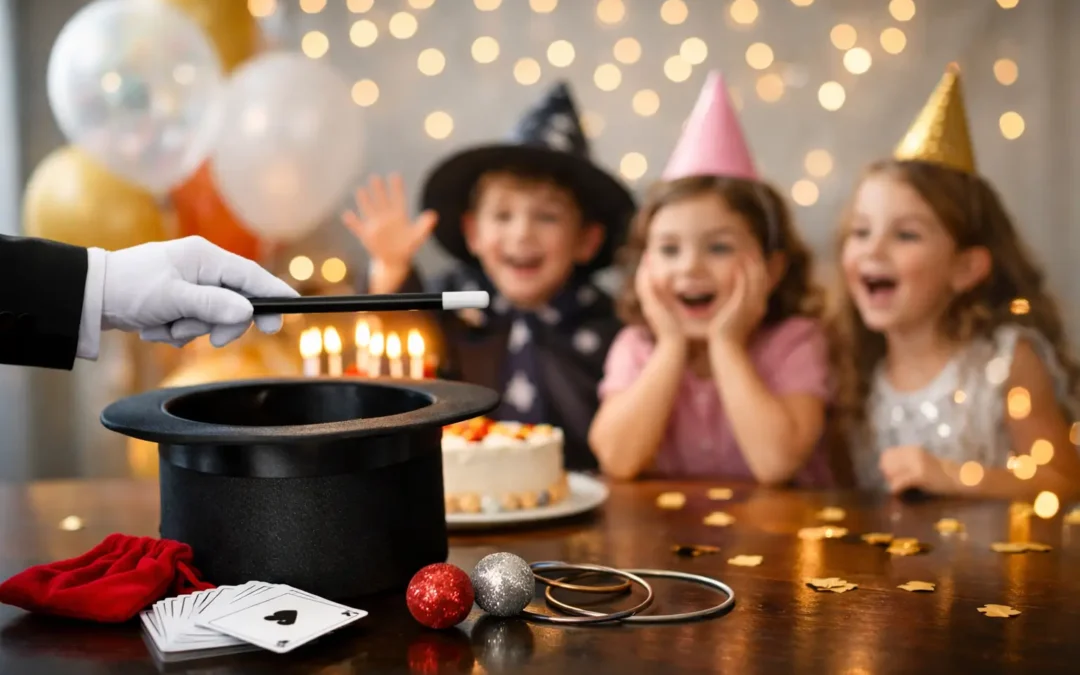
The moment a child says, “I want a magic party,” the pressure goes up fast. Now you are not just ordering cake and hanging balloons – you are trying to create that wide-eyed, can’t-stop-talking-about-it kind of celebration. If you are wondering how to plan magic birthday fun without turning yourself into the full-time event manager, the good news is that a great party usually comes down to a few smart decisions made early.
Magic works because it gives everyone something to share. Kids get surprise, laughter, and participation. Adults get to watch real reactions instead of trying to keep a room entertained. That is why a magic birthday often feels bigger than the budget behind it. The right plan makes the whole event feel special before the first trick even begins.
How to plan magic birthday with the right kind of experience
The first decision is not decorations or snacks. It is the format. Some families want a living room party with a performer arriving for a short show. Others want the birthday itself to happen in a dedicated venue where the room, lighting, seating, and flow already support the experience.
That choice matters more than most parents expect. An at-home party can feel comfortable and familiar, and it may be the easier option for a smaller guest list. But it also means you are responsible for setup, noise control, seating, and keeping distractions from pulling kids out of the moment. Pets, doorbells, siblings, and open floor plans all compete with the show.
A theater-style setting changes that. The room tells guests right away that this is an event. The focus is built in. The birthday child feels like the star, and the entertainment tends to land better because the environment is designed for it. If your goal is less stress and more of a true wow factor, a dedicated magic venue is often the cleaner choice.
Start with the birthday child, not the theme board
Parents sometimes begin by searching colors, Pinterest ideas, and party favors. That can be fun, but the better starting point is the child. Are they outgoing and eager to volunteer? A little shy? Obsessed with rabbits, top hats, cards, or stage magic? The best birthday plans feel personal, not generic.
For younger kids, the ideal magic party usually leans playful, visual, and interactive. Big reactions matter more than complicated illusions. For older kids, comedy, mind-reading style effects, and stronger audience participation can keep the show from feeling too little-kid. If the guest list includes siblings, cousins, grandparents, and family friends, aim for entertainment that works across ages. That is one of the biggest advantages of live magic when it is done well – everybody gets to enjoy the same moment.
A magic birthday does not need to be overloaded with themed details to feel complete. A few strong choices usually work better than twenty small ones. Invitations with a magician vibe, a cake that nods to the show, and one or two simple decor touches are often enough. The performance should be the headliner, not background noise.
Set the schedule around attention spans
One of the most common planning mistakes is giving the entertainment the worst possible time slot. If kids are arriving in waves, running around, and still finding their seats, the show starts uphill. If the show happens too late, everyone is sugared up, distracted, or tired.
For most children’s parties, magic works best after a brief arrival window and before food completely takes over the room. Let guests settle in, greet the birthday child, and get excited. Then move into the main event while the energy is high. Cake, presents, and photos can happen after.
This order helps in another way too. It gives the party a natural build. The show becomes the centerpiece instead of one more activity squeezed between pizza and goodbyes.
If you are planning for younger children, shorter and tighter usually wins. For mixed ages, a stronger host and clearer structure make all the difference. A professional performer or venue team will usually help with timing because they know exactly when the room is ready and how long kids can stay locked in.
Keep the guest count realistic
Bigger is not always better. A packed room can sound exciting, but a magic party works best when kids can see, hear, and feel included. Too many guests can water down the experience, especially in a home setting where sightlines and seating are limited.
Think about your space first, then your wish list. If the room comfortably holds twenty children and a handful of adults, inviting thirty-five rarely creates more fun. It usually creates chaos. On the other hand, a smaller group can make the birthday feel more personal and interactive, which is exactly what magic does best.
Food, cake, and party extras should support the show
It is easy to overbuild a birthday. Parents often feel like every party needs crafts, games, bounce houses, photo stations, and a mountain of treats. But when the entertainment is genuinely strong, the extras can stay simple.
That is not about doing less for the sake of it. It is about protecting the flow. Too many activity stations split attention and pull energy away from the thing guests came to experience. If you are hosting a magic birthday, let the magic carry the event.
Food should be easy to serve and easy to clean up. Finger foods, pizza, and cake tend to work well because they do not demand a lot of transition time. If the party is in a venue, ask what is included and what you can bring. Some families want a polished hosted feel. Others want flexibility and a lighter budget. Either can work if expectations are clear from the start.
Party favors are optional, not mandatory. If you include them, make them count. A simple magic-themed takeaway, like a beginner trick or a small prop, feels more connected than a random bag of candy and plastic toys.
How to plan magic birthday entertainment parents actually enjoy too
The strongest birthday parties are not just fun for children. They are comfortable for the adults in the room. That means parents should not feel trapped in two hours of chaos while pretending it is charming.
This is where quality entertainment really separates itself. A skilled magician knows how to play to kids without losing the adults. Comedy, timing, and audience rapport matter. So does experience. There is a big difference between someone doing tricks and someone running a room.
When you are choosing entertainment, ask practical questions. Is the show interactive? Is it age-appropriate? How much space is needed? How long is the performance? What support is provided on-site? Those details are not boring – they are exactly what makes the party feel smooth.
If you are in Houston and want the full birthday experience in a setting built for amazement, Magic Show Theater gives families a more polished option than trying to turn the den into a stage. That kind of environment can take a lot off a parent’s plate while raising the excitement level for everyone who walks in.
Budget for impact, not for clutter
If you are deciding where to spend, put the money where guests will actually feel it. Families remember the show, the laughter, the birthday child getting called up front, and the moment the whole room reacts together. They usually do not remember whether the napkins matched the invitation.
That does not mean decorations and details have no place. It means they should support the big experience, not replace it. If your budget is limited, prioritize the venue or entertainment first, then food, then the visual extras. That order tends to produce a party that feels memorable instead of busy.
A higher-end setup can absolutely be worth it if what you are buying is less stress, better production, and a more immersive event. But there is always a trade-off. Some families want an all-in celebration. Others want one standout feature and a simple gathering around it. Both are valid. The best plan is the one that fits your child and feels manageable for you.
The little details that make the party feel magical
A few small touches can lift the whole event. Have the birthday child arrive a little early so they can settle in without the crowd. Make sure whoever is taking photos knows when the show starts and where the best angle is. Confirm start times, food timing, and any special moments like birthday recognition before guests arrive.
Most of all, leave room for surprise. Magic lands best when not every second is overexplained. Let kids react. Let the performer lead. Let the room have that delighted buzz when something impossible happens right in front of them.
That is really the secret behind planning a magic birthday that works. You are not trying to manufacture perfection. You are creating the conditions for joy, laughter, and a few unforgettable moments that feel bigger than the party itself. When you choose the right setting, keep the flow simple, and let the entertainment shine, the celebration starts to feel magical long before the first trick begins.