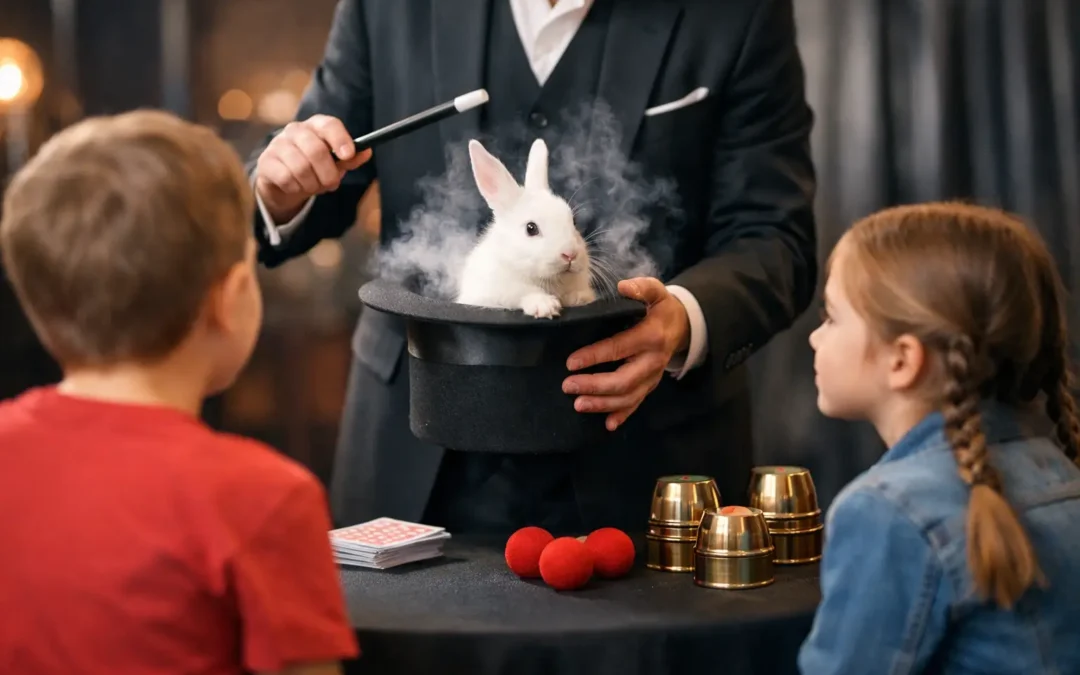
Not every after-school activity gives a child a reason to stand a little taller, speak a little clearer, and grin like they’ve just pulled off the impossible. That’s part of the appeal behind magic classes for kids Houston parents keep searching for. Magic is fun, of course, but the best classes do more than teach a trick with a deck of cards. They give kids a chance to perform, connect, and surprise the people around them in the best possible way.
For families in Houston, that matters. Parents are not just looking for another activity to fill a calendar. They want something memorable, something that feels personal, and something their child will actually want to practice at home without a weekly argument. Magic has a special advantage there. It blends creativity, comedy, movement, focus, and audience interaction into one experience kids genuinely get excited about.
Why magic classes are different from other kids’ activities
A lot of children’s programs build one specific skill. Sports build coordination and teamwork. Music lessons build discipline and technique. Art classes build creativity and expression. Magic does a little bit of all of that at once.
When a child learns a magic routine, they are not just memorizing steps. They are learning timing, storytelling, eye contact, and confidence under pressure. Even a simple trick has structure. There is a beginning that grabs attention, a middle that builds suspense, and a finish that gets the reaction. That process teaches kids how to communicate clearly and hold a room.
It also helps that magic feels playful instead of academic. Kids are often willing to repeat a move ten times if they know it leads to a big reveal. Practice becomes part of the fun. For some children, especially those who do not immediately click with team sports or more traditional performance arts, that can be a game changer.
What to look for in magic classes for kids in Houston
Not all programs are built the same, and that is where parents should slow down and ask a few practical questions. A good magic class should feel exciting, but it should also be age-appropriate, well-organized, and led by someone who understands both performance and kids.
The first thing to consider is teaching style. Some instructors are talented magicians but not natural teachers. Others are great with children but do not have the real-world performing experience that gives lessons depth. The strongest programs usually come from instructors who can do both – keep the room lively while also teaching clean technique and stage presence.
Class size matters too. Magic is hands-on. Kids need to see details, ask questions, and get individual feedback. In a packed room, it is easy for shy students to disappear or for beginners to get lost. Smaller, more personal classes often create a better experience because each child gets more attention and more chances to participate.
Parents should also ask what the child will actually learn. Some programs focus on one-off tricks that are entertaining in the moment but easy to forget. Others teach foundational skills that build over time, such as misdirection, showmanship, audience management, and simple sleight-of-hand. The second approach usually has more staying power because kids start to understand how magic works as a performance art, not just as a novelty.
The best classes build confidence, not just tricks
Here is where magic really shines. A child can learn a trick in minutes, but learning to present that trick with confidence is where growth happens. That is the difference between showing a prop and creating a moment.
Kids who study magic often become more comfortable speaking in front of others because they have a built-in script and a clear goal. They know when the laugh is supposed to land. They know when the surprise happens. That structure can make public performance feel less intimidating. For children who are naturally outgoing, magic gives them a stage. For children who are quieter, it gives them a reason to step forward.
There is also a social benefit that parents sometimes do not expect. Magic gives kids an easy way to break the ice. A child who can walk up to cousins at a family gathering, classmates at school, or guests at a birthday party and perform something astonishing suddenly has a way to connect. It is interactive, memorable, and often very funny. That kind of positive attention can go a long way.
A Houston magic program should feel live and personal
In a city as big and busy as Houston, families have plenty of choices. That makes the atmosphere of a class especially important. The strongest local programs do not feel generic. They feel like an experience.
A live magic setting adds a lot. Kids learn better when they are immersed in the world of performance rather than sitting in a plain classroom hearing theory. Seeing a magician in action, watching how an audience reacts, and learning in a place designed for amazement can make every lesson more exciting. It helps children connect what they are learning to the real thrill of entertaining people.
That is one reason families are often drawn to programs connected to actual performing venues. There is credibility in learning from working magicians who understand what gets a laugh, what creates suspense, and what makes an audience lean in. It also gives kids something inspiring to picture for themselves. They are not just learning moves. They are stepping into a tradition of live entertainment.
Who benefits most from magic classes for kids Houston offers?
The short answer is more kids than most people think. Magic classes are a natural fit for children who already love performing, telling jokes, and being the center of attention. But they can be just as valuable for kids who are thoughtful, reserved, or still figuring out where they shine.
Children who enjoy puzzles and problem-solving often love the mechanics behind tricks. Creative kids enjoy building presentation and personality into a routine. Kids with a big sense of humor love the reaction side of magic. And children who need help with confidence can benefit from having a skill that earns applause quickly.
Age matters, of course. Younger children usually do best with visual, easy-to-follow tricks and lots of encouragement. Older kids may be ready for more detailed techniques, stronger presentation skills, and a more serious introduction to sleight-of-hand. The best programs account for those differences instead of treating every age group exactly the same.
Why parents love magic as a family activity
One of the best parts of magic is that it rarely stays inside the classroom. Kids bring it home. They practice at the kitchen table. They perform for grandparents. They test new material on siblings. Suddenly the class becomes something the whole family gets to enjoy.
That makes magic especially appealing compared to activities that are harder to share. A soccer practice ends at the field. A magic trick can happen anywhere. It turns ordinary moments into little performances, and those moments often become the stories families remember.
For parents planning birthdays or special outings, that interest can lead naturally into bigger experiences too. A child who falls in love with magic in class may want to see a live show, celebrate at a magic-themed party, or keep building their skills over time. That creates a fun path forward instead of a one-and-done activity.
Choosing a class that keeps the wonder alive
There is a balance to strike. Kids want real secrets and real skills, but they also want the wonder to stay intact. The right class keeps that balance by teaching enough technique to make progress while preserving the excitement that made the child interested in magic in the first place.
Look for a program that treats kids like future performers, not just spectators. The atmosphere should be upbeat and welcoming, but it should also challenge students to practice, present, and improve. A little structure is good. A little showmanship is even better.
If the class is connected to a theater or a working performance space, that can be an even bigger plus. Houston Magic Academy, for example, fits naturally into a broader world of live family entertainment, where kids can learn from professional magicians and see the art form come alive in front of real audiences. For many families, that kind of environment makes the experience feel more exciting from day one.
Magic classes work best when they leave a child with more than a prop in their hand. They should leave with a sense that they can create a reaction, command attention, and make people smile. That is a pretty remarkable return from one activity. If your child is ready for something fun, confidence-building, and a little bit unforgettable, Houston is a great place for the next trick to begin.