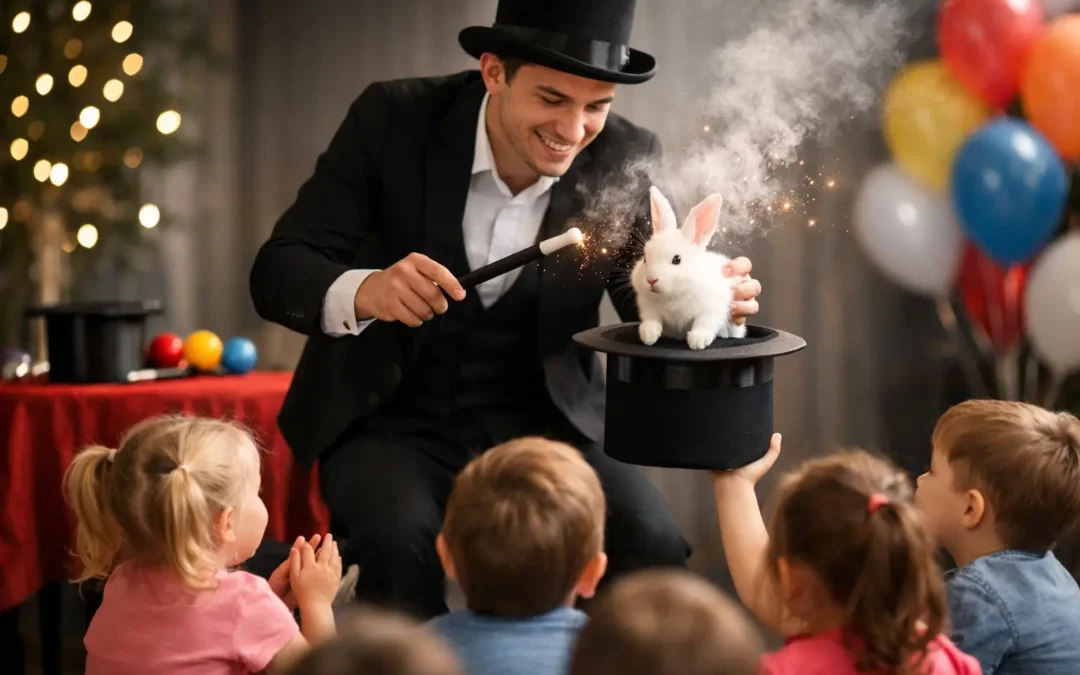
A toddler’s first big laugh at a vanishing silk or a silly puppet is not a small moment. It is the look of complete surprise, followed by the urgent need to tell everyone nearby what just happened. The best toddler magic shows make room for exactly that kind of joy: bright, simple mysteries, warm comedy, and plenty of chances to clap, giggle, and join the fun.
Toddlers are a wonderful audience, but they are not miniature school-age kids. They experience a magic show through movement, sound, faces, repetition, and the reassuring presence of a parent or caregiver. A performance built with those needs in mind can become a treasured family memory. One that moves too fast, runs too long, or leans on loud scares can turn a promising outing into an early exit.
What Toddlers Need From a Magic Show
For most children ages 2 to 4, the magic itself does not need to be complicated to feel astonishing. In fact, a colorful scarf appearing from an empty hand can land better than a long, intricate illusion. The surprise is immediate. The picture is clear. And the child has time to react before the next moment begins.
Pacing matters just as much as the trick. Toddlers have short attention spans, but that does not mean they cannot enjoy live entertainment. It means the show should have regular changes in energy. A funny bit with a volunteer, a musical moment, a puppet appearance, and a visual trick give young guests fresh reasons to stay engaged.
The atmosphere matters, too. A dark theater, booming sound effects, or a magician who suddenly shouts can be exciting for some children and overwhelming for others. Great toddler-friendly magic uses surprise without turning it into fright. The performer should feel like a playful guide, not a mysterious stranger asking children to sit perfectly still.
Parents should also feel welcome to respond to their child in the moment. A toddler may whisper questions, bounce in a seat, need a snack, or want to sit in a parent’s lap halfway through the show. That is normal. A family-friendly setting recognizes that little ones are learning how live shows work.
The Sweet Spot for Toddler Magic Shows
When choosing toddler magic shows for a birthday, weekend outing, or first theater trip, look for an experience that keeps things visual, interactive, and comfortably paced. The best shows usually build around a few dependable ingredients.
Big visual moments
Young children respond quickly to color and transformation. Ropes change color, objects disappear, a picture comes to life, or a surprise appears from a seemingly empty box. The effect should be easy to see from a child’s point of view, not something that depends on tiny details across the room.
Comedy they can understand
Toddlers may not follow a clever wordplay joke, but they understand funny faces, playful mistakes, harmless silliness, and a magician who seems surprised by their own trick. Physical comedy gives adults something to laugh at alongside their children, which makes the whole room feel more connected.
Participation without pressure
Many little ones love helping from their seat. They can wave a magic wand, say a magic word, clap a rhythm, or point to a colorful object. Being invited onstage can be thrilling for one child and far too much for another, so a thoughtful performer never treats participation as a requirement.
A clear, cheerful rhythm
A toddler does not need a complicated storyline, but they do benefit from a show that has a rhythm they can trust. There is a funny beginning, delightful surprises throughout, and a warm finish that leaves them smiling rather than overstimulated.
Is Your Child Ready for a Live Magic Show?
Age is only part of the answer. One 2-year-old may happily watch a 30-minute performance, while another child may be more comfortable with a short magic segment at a birthday party. Think about how your child handles story time, music classes, restaurants, or other group activities. If they enjoy watching a performer and can settle with a familiar adult nearby, they may be ready to give magic a try.
It also helps to set expectations before you arrive. Tell your child they will see a magician who makes funny surprises happen. Explain that people will clap and laugh, and that it is okay to clap along. For children who are sensitive to new environments, arriving early can make a real difference. They have a few minutes to see their seats, notice the room, and settle in before the excitement begins.
Do not worry if your child does not watch every moment. A successful first show may include some seat-dancing, a few whispered observations, and one unforgettable burst of laughter. That still counts as magic.
Planning a Toddler-Friendly Magic Birthday Party
A magic show can be a terrific birthday party centerpiece because it gathers children around one shared activity. Instead of trying to entertain a room full of toddlers with endless games, parents can give everyone a chance to laugh together, then move naturally into cake, photos, and presents.
Timing is the biggest factor. Avoid scheduling the show during nap time whenever possible. Late morning or early afternoon often works well, though every family’s routine is different. Keep the overall party schedule realistic, too. Young children rarely need three hours of activities. A focused celebration with a show, a snack, and time to visit is often far more enjoyable.
The guest mix changes the ideal performance. A party with mostly 3-year-olds needs gentler pacing than one with 5- and 6-year-olds. If siblings and cousins range widely in age, ask for a show that uses visual magic and broad comedy. That gives toddlers a lively experience while older children still get satisfying surprises.
At Magic Show Theater, families can celebrate in a dedicated magic setting designed for shared laughter and close-up wonder. An intimate room helps children feel connected to the action, rather than watching from far away, and a seasoned performer knows how to read the room when the youngest guests need an extra beat to catch up.
What Parents Should Ask Before Booking
A few practical questions can help you choose an experience that fits your child, rather than simply choosing the first available show. Ask about the recommended age range and the expected running time. Find out whether the performance includes loud sound effects, sudden surprises, darkness, or audience members being called onstage.
It is also worth asking how the performer handles shy children. The right answer is not that every child will be brought into the spotlight. It is that children can participate at their comfort level. A confident toddler may love holding a prop, while another may be happiest shouting the magic word from a parent’s lap.
For public performances, check whether the seating arrangement gives children a clear view and whether parents can sit with them. Small theaters can be especially appealing because the action feels close and personal. Larger venues may offer spectacle, but they can also require more patience from very young guests.
Make the First Magic Memory a Happy One
Bring a small comfort item if your child uses one, arrive with time to spare, and choose seats where your child can easily see. If they need a quick break, take it without guilt. The goal is not to prove they can sit through a show. The goal is to let them discover that live entertainment can be funny, surprising, and safe.
The right magic experience gives toddlers more than a trick to watch. It gives them a room full of people laughing, a moment of wonder they can feel in their whole body, and a story they may proudly repeat all the way home.