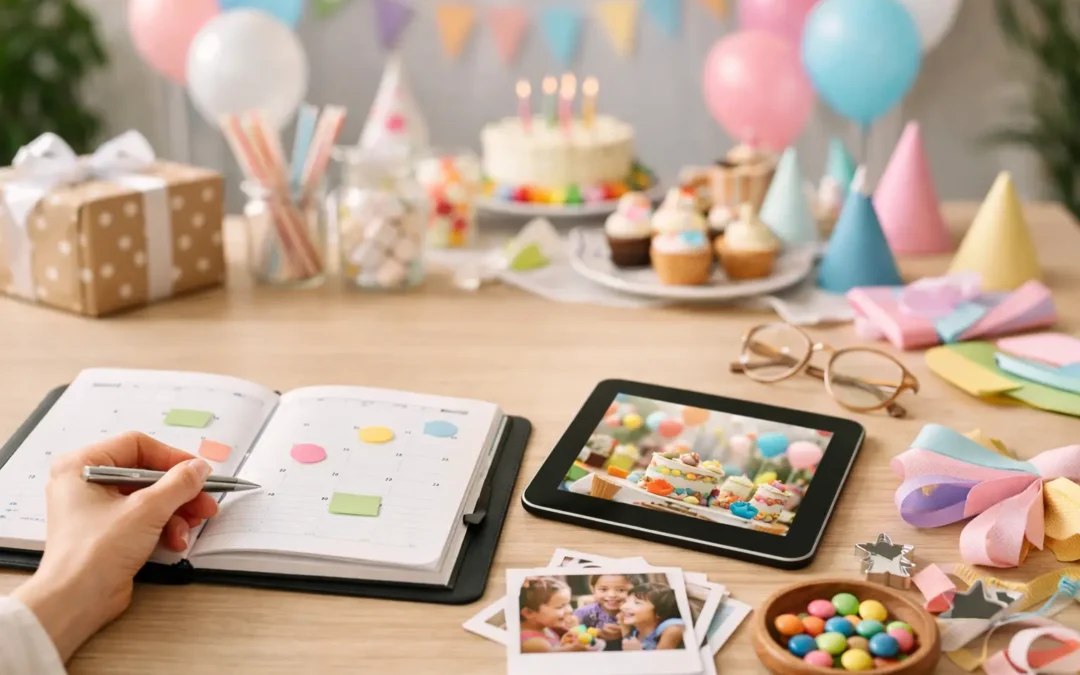
The moment a child starts talking about their birthday three months early, you know the countdown has begun. A great guide to planning kids celebration moments starts with one truth parents know well – kids remember how a party felt. They remember laughing hard, feeling special, and getting to do something exciting with their friends. That is why the best celebrations are not always the biggest. They are the ones with a clear plan, a fun rhythm, and just enough surprise to make the day feel magical.
Start Your Guide to Planning Kids Celebration Around the Experience
Before you pick decorations, party favors, or the cake design, decide what kind of experience you want to create. Some parties are built for high-energy play. Others work better as a shared show, a hands-on activity, or a smaller gathering where every child gets personal attention. That choice shapes everything else.
Parents often make planning harder by starting with too many options. If your child wants a superhero party, that does not automatically tell you whether you need a park, a private room, or live entertainment. The better question is this: what will the kids actually be doing for most of the event? Once you answer that, the rest gets easier.
This is where expectations matter. A party for five-year-olds needs a different pace than a party for ten-year-olds. Younger children usually do best with shorter events, simpler transitions, and very obvious entertainment. Older kids may want something more interactive, more themed, or just less babyish. Matching the experience to the age group is one of the quickest ways to avoid party-day chaos.
Pick the Right Time, Size, and Setting
A celebration can look amazing on paper and still feel stressful if the timing is off. Mid-morning or early afternoon tends to work well for younger children because energy is still high and bedtime is not looming. Late afternoon can be perfect for school-age kids, especially if you want families to have a little breathing room before the event.
Guest count is another decision that deserves honesty. A bigger list sounds festive, but it changes the whole atmosphere. More kids means more noise, more food, more movement, and more opportunities for someone to feel overlooked. A smaller group often feels warmer and easier to manage, especially if you want the event to feel personal rather than packed.
The setting should support the kind of party you are hosting, not compete with it. At-home celebrations can be comfortable and flexible, but they also turn your living room, kitchen, and cleanup into part of the event. Off-site venues can remove that pressure and create a stronger sense of occasion, though they may come with fixed timelines or package details. It depends on whether your top priority is convenience, control, or a more memorable backdrop.
Budget for the Parts Kids Actually Notice
A smart budget is not about cutting every corner. It is about putting your money where it creates the most fun. Kids rarely care whether the napkins match the balloon arch perfectly. They do care if they are bored, hungry, or waiting too long for something exciting to happen.
For most families, the biggest budget categories are venue, food, cake, entertainment, and party favors. If you need to trim costs, start by asking which of those categories truly changes the guest experience. Entertainment usually carries more weight than extra decor. A simple cake table can still look festive if the room feels lively and the children are engaged.
It also helps to decide early whether you want a DIY party or a more all-in-one option. DIY can save money if you have time, energy, and a talent for coordinating moving parts. But if you are juggling work, school schedules, and a growing to-do list, convenience may be worth paying for. Stress has a cost too, even if it does not show up on the receipt.
Build a Party Timeline That Flows
The best kids parties have momentum. There is a welcome moment, a main attraction, a food break, and a clear finish. Without that structure, even a fun party can start to drift.
A loose but reliable timeline helps children know what is happening next and helps adults stay relaxed. You do not need to schedule every five minutes, but you should know the order of the major moments. Arrival time should feel easy, not rushed. The main activity should happen before kids get restless. Food should show up before anyone hits a meltdown zone. Cake should feel like a highlight, not an afterthought.
Transitions matter more than many parents expect. Moving a group of excited children from games to lunch or from crafts to cake can get messy fast. The easiest fix is to keep the plan simple and avoid too many separate stations or activities. One strong centerpiece activity often works better than five small ones competing for attention.
Entertainment Can Make or Break the Day
If there is one area where planning pays off, it is entertainment. Children are honest critics. If they are captivated, the party feels electric. If they are not, no amount of themed plates will save the mood.
When choosing entertainment, think beyond what sounds cute online. Ask whether it fits the space, the age range, and the energy you want in the room. A loud, fast-moving activity can be thrilling in a gym but overwhelming in a smaller party setting. A quieter performance may work beautifully if it is interactive and genuinely engaging.
Live entertainment has a special advantage because it creates a shared moment. Kids are not just running around near each other. They are laughing together, reacting together, and talking about the same big reveal on the ride home. That is part of what makes a magic show, comedy act, or other performance-based party feel so memorable. In the right setting, it gives the celebration a real centerpiece instead of a string of random distractions.
For families in Houston looking for a birthday that feels polished, personal, and full of wonder, a theater party can be especially appealing. It gives kids something exciting to anticipate and gives parents a more structured experience from start to finish.
Food, Cake, and the Reality of Hungry Kids
Party food does not need to be fancy. It needs to be easy to serve and easy to eat. Children usually want familiar options, and parents appreciate anything that keeps the event moving. Pizza, fruit, simple snacks, and a cake or cupcakes are popular for a reason.
The timing of food matters almost as much as the menu. If the main entertainment runs long and lunch gets delayed, moods can turn quickly. If you serve food too early, kids may pick at it and then ask for cake ten minutes later. Try to place food after the main activity or performance, when guests are ready to sit for a few minutes.
It is also wise to check for allergies and dietary needs in advance. This does not mean building a complicated menu. It just means making sure no child is left out when the treats come around. A little foresight here feels thoughtful and saves awkward moments later.
Keep Decorations Fun, Not Exhausting
Decor can absolutely add excitement, but it should support the celebration rather than become the entire project. Children notice color, favorite characters, and festive details. They do not usually grade the party on whether every visual element belongs on social media.
Choose one theme direction and stick with it. That might be magic, dinosaurs, princesses, outer space, or bright birthday colors. Once you have that anchor, a few strong pieces can do the job. Balloons, a backdrop, themed tableware, and a cake that matches the mood usually create enough visual fun without swallowing your entire week.
This is one of those places where parents often overextend themselves. If decorating starts stealing time from booking entertainment, confirming guests, or enjoying your child’s excitement, it is probably too much.
A Practical Guide to Planning Kids Celebration Without Last-Minute Panic
The final week before the party is where good intentions either hold together or unravel. This is the time to confirm RSVPs, double-check timing, verify food pickup or delivery, and make sure you know exactly who is bringing what. A little prep here makes party day feel dramatically easier.
It helps to create a short checklist for the day itself. Have candles, matches, wipes, a trash bag, extra water, and a phone charger ready. Make sure the birthday child knows the basic flow so there are fewer surprises. If gifts will be opened during the party, set aside time for it. If not, decide that ahead of time and move on without guilt.
Most importantly, leave room for flexibility. Kids parties are live events, and live events have personality. Someone will arrive late. Someone will spill juice. Someone may cry for a reason that makes no sense to any adult in the room. That does not mean the party is failing. It means children are involved.
The goal is not a flawless production. The goal is a celebration where your child feels celebrated, the guests feel included, and you are not too frazzled to enjoy any of it. Plan the details, choose a setting that supports the fun, and give the day something worth remembering. When children leave smiling and still talking about the best part, you planned it exactly right.